
Buying your first home can feel overwhelming. Between deposits, credit checks, mortgage applications and legal paperwork, it’s easy to feel unsure where to start.
The good news? With the right mortgage advice and support, getting your first mortgage can be much simpler than you think.
At Mortgage Links, we help first-time buyers across the UK understand the mortgage process from start to finish — helping you move into your first home with confidence.
Step 1: Work Out Your Deposit
One of the first questions most first-time buyers ask is:
“How much deposit do I need for a mortgage?”
In the UK, most lenders require a deposit of at least 5–10% of the property value.
For example:
- £200,000 property = minimum £10,000 deposit at 5%
- £300,000 property = minimum £15,000 deposit at 5%
We help you understand:
- How much deposit you’ll need
- Which lenders accept smaller deposits
- Gifted deposit rules
- Government schemes available for first-time buyers
Step 2: Find Out How Much You Can Borrow
Mortgage affordability is based on more than just your salary.
Lenders will usually assess:
- Your income
- Monthly outgoings
- Existing debts
- Credit score
- Employment type
- Financial commitments
As mortgage brokers, we calculate your borrowing potential properly — not with rough online estimates.
This helps you avoid wasting time viewing properties outside your realistic budget.
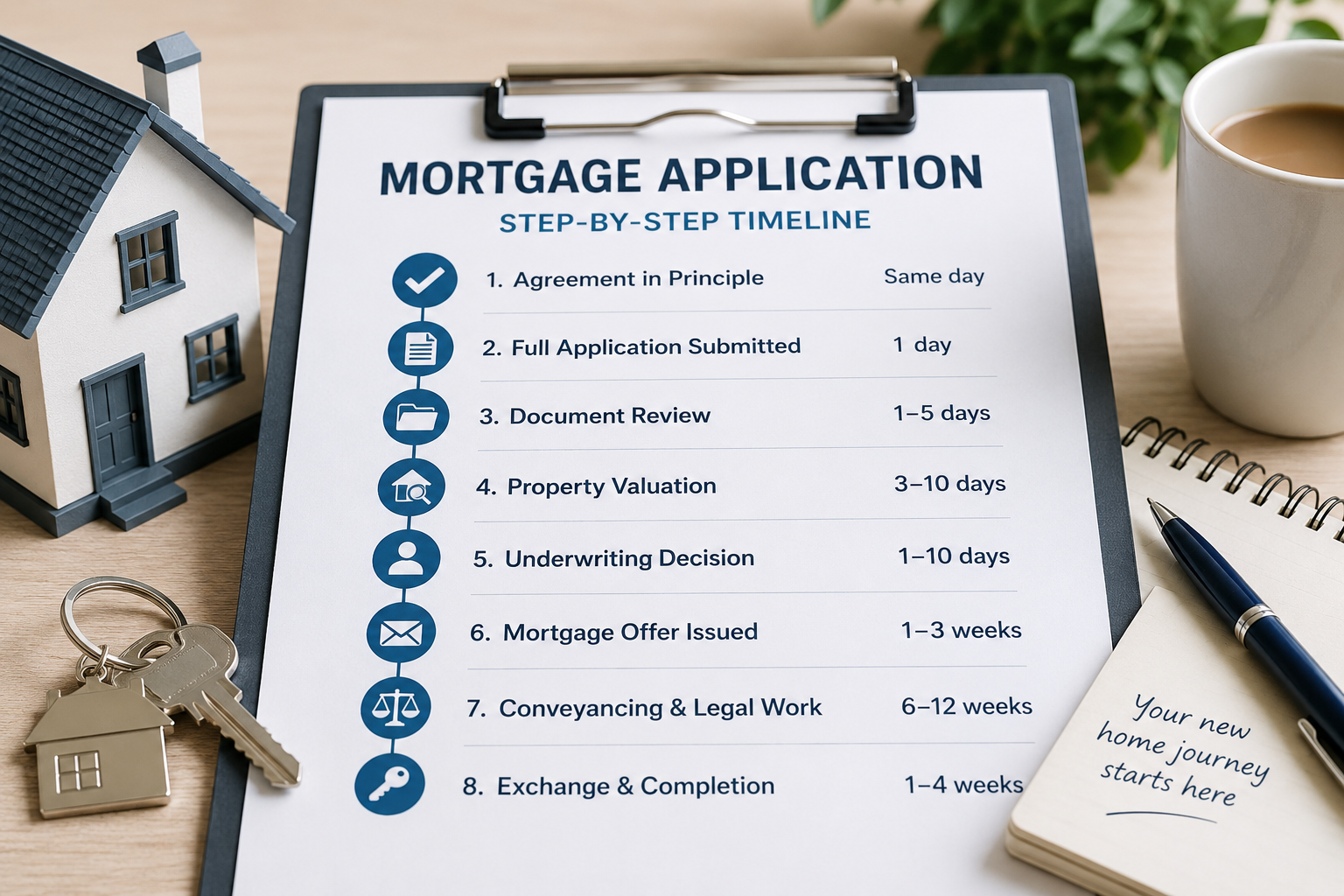
Step 3: Get a Decision in Principle (DIP)
A Decision in Principle is an important early step in the home-buying process.
It shows estate agents and sellers that:
- A lender is willing to lend to you (subject to checks)
- You are financially prepared
- You are a serious buyer
Having a DIP in place can strengthen your position when making an offer on a property.
Step 4: Start Looking for Your First Home
Once you know your budget, you can begin searching for properties confidently.
We help first-time buyers understand:
- What monthly repayments may look like
- Which properties fit affordability criteria
- Additional costs involved in buying a home
- What lenders may or may not accept
This avoids costly surprises later in the process.
Step 5: Submit Your Mortgage Application
This is where many buyers feel stressed — but this is also where having a mortgage broker really helps.
We:
- Compare mortgage lenders
- Find suitable mortgage products
- Handle the paperwork
- Communicate with the lender
- Help resolve issues quickly
Every lender has different criteria, so choosing the right one matters.
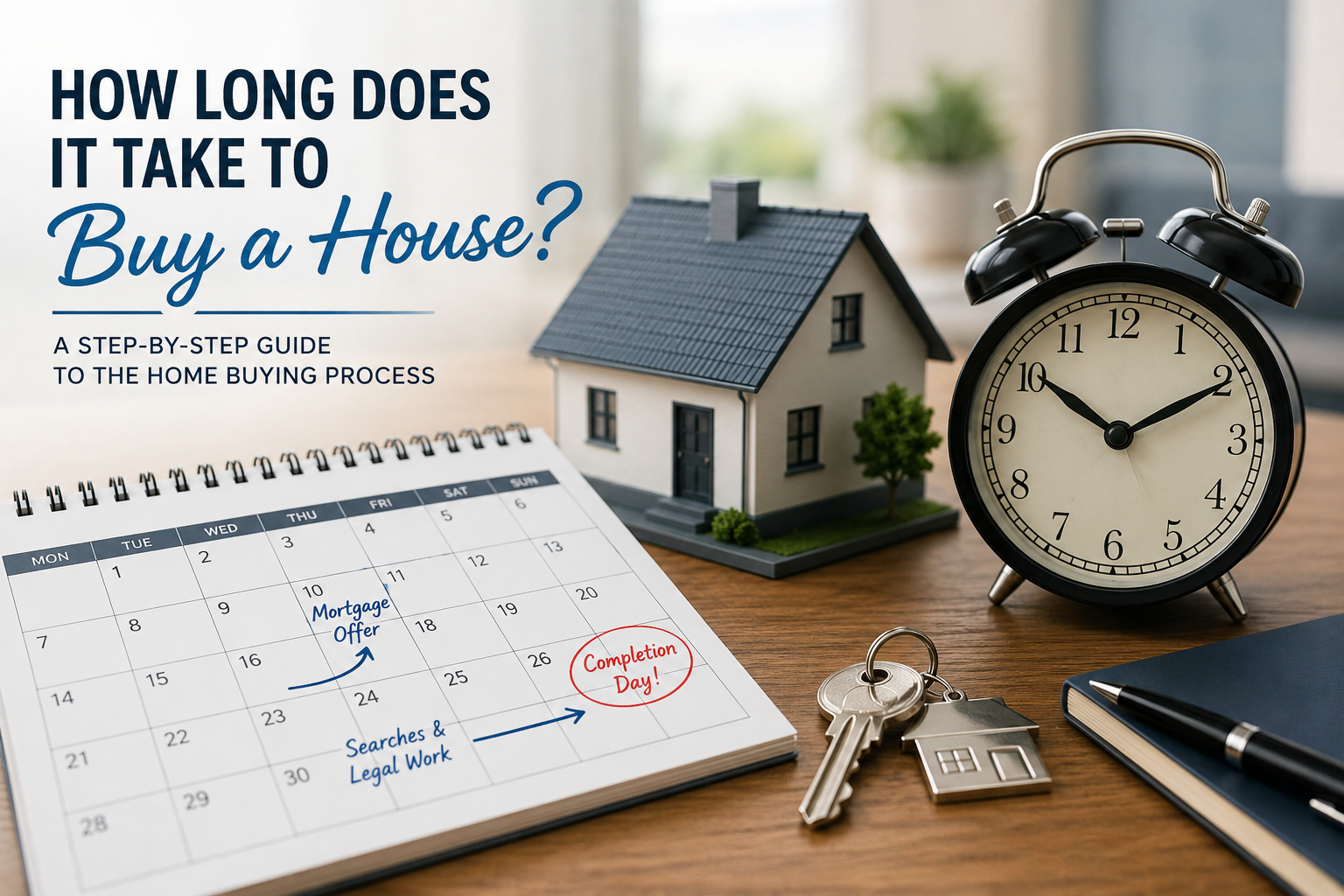
Step 6: Managing the Process Through to Completion
Once your mortgage offer is issued, there’s still legal work to complete before you receive the keys.
We work alongside:
- Solicitors
- Estate agents
- Mortgage lenders
To help keep everything moving smoothly until completion day.
Extra Costs First-Time Buyers Should Budget For
Many buyers focus only on the deposit, but there are other costs involved too.
These may include:
- Solicitor fees
- Survey fees
- Mortgage lender fees
- Valuation fees
- Moving costs
- Stamp Duty (where applicable)
We make sure you understand the full costs involved before you commit.
Why Use a Mortgage Broker as a First-Time Buyer?
Using a mortgage broker can save you:
- Time
- Stress
- Confusion
- Potentially money
At Mortgage Links, we guide you through the entire mortgage journey and help explain everything clearly – especially if you’re buying your first home.
🔗 Helpful Links
- Loan to Value Explained — The Complete Guide to Smarter Mortgage Decisions
- Why Use a Mortgage Broker? Top 7 Reasons to Get Expert Mortgage Advice
- AIPs, DIPs and MIPs- What’s the Difference?
- 7 Key Costs To Budget For When Buying A Home
- MoneyHelper (UK government-backed)
- FCA
🚀 Book a Free Consultation Today
If you’re thinking about buying your first property and want expert mortgage advice, we’re here to help.
💬 Book a free consultation today