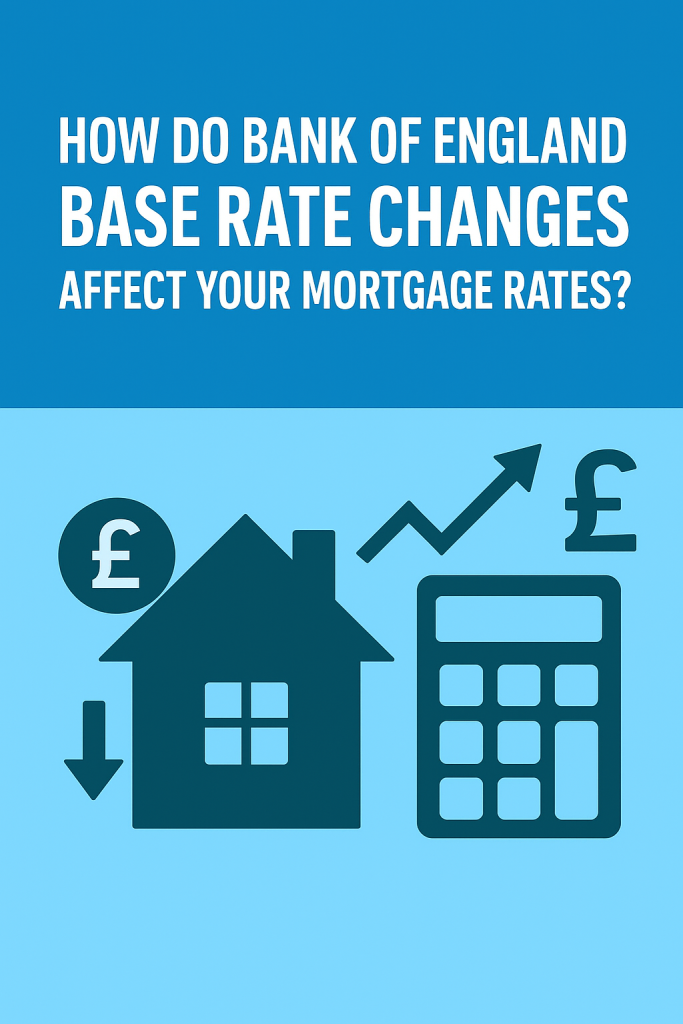
How Do Bank of England Base Rate Changes Affect Your Mortgage Rates? 💷📉
Understanding how Bank of England base rate changes affect your mortgage rates is crucial for anyone with a mortgage or looking to buy a home in the UK. The base rate influences borrowing costs, which in turn impacts your monthly mortgage payments. In this post, we’ll explore 7 crucial insights you need to know about the Bank of England’s base rate changes and their effect on your mortgage.
What Is the Bank of England Base Rate? 🏦
The Bank of England base rate is the interest rate set by the Bank of England’s Monetary Policy Committee. It acts as the benchmark for borrowing costs across the UK economy. When the base rate changes, it signals whether borrowing money will become cheaper or more expensive. This rate affects banks, lenders, businesses, and ultimately homeowners.
The Role of the Bank of England Base Rate in the Economy
The base rate is used primarily to control inflation. When inflation rises, the Bank of England may increase the base rate to cool the economy and reduce spending. Conversely, it lowers the rate to encourage borrowing and investment when the economy slows.
How Does the Base Rate Influence Mortgage Rates? 🔗
Mortgage rates, especially variable or tracker mortgages, are closely linked to the base rate. There are two main types of mortgages: fixed-rate and variable-rate.
Types of Mortgages: Fixed vs Variable
- Variable Rate Mortgages: These mortgages move up or down directly in response to changes in the base rate. If the base rate rises, your mortgage interest rate and monthly payment usually increase too.
- Fixed Rate Mortgages: These stay the same for a set term (often 2, 3, or 5 years). Changes in the base rate don’t immediately affect these rates, but when it’s time to remortgage, new deals may reflect the current base rate environment.
Why Base Rate Changes Don’t Always Mean Immediate Mortgage Rate Changes ⏳
Even though the Bank of England sets the base rate, mortgage lenders don’t always pass changes straight to borrowers. Several factors influence mortgage rates:
Factors Affecting Mortgage Rate Decisions
- Lenders’ cost of funds (how much it costs them to borrow)
- Competition between lenders
- Risk appetite and borrower profiles
- Economic outlook and regulatory considerations
For example, if the Bank of England cuts the base rate, lenders might not reduce mortgage rates immediately. Conversely, after a rate increase, some lenders might delay raising mortgage rates to stay competitive.
How Base Rate Changes Impact Your Monthly Mortgage Payments 💸
If you have a variable mortgage, your monthly payments are likely to fluctuate with the base rate. Here’s a simple example:
Example: How a Base Rate Rise Affects Your Payments
Imagine you have a £200,000 mortgage with a variable rate of base rate + 1%. If the base rate rises from 4% to 5%, your mortgage rate moves from 5% to 6%. On a 25-year repayment mortgage, this could increase your monthly payments by roughly £120.
If you have a fixed-rate mortgage, your payments remain the same during your fixed term but can change once you remortgage.
What Should You Do When the Base Rate Changes? ✅
Here are some actionable tips if you’re wondering how do Bank of England base rate changes affect your mortgage rates?:
Tips for Variable Rate Borrowers
- Review your mortgage deal regularly.
- Consider switching to a fixed-rate mortgage if you want payment certainty.
- Contact your mortgage broker to explore better deals.
Tips for Fixed Rate Borrowers
- Keep track of when your fixed term ends.
- Start researching remortgage options early.
- Don’t wait until your current deal expires to seek advice.
Seeking expert advice can help you navigate these changes effectively and save money.
Recent Base Rate Changes and What to Expect Next 📊
In recent years, the Bank of England base rate has fluctuated due to economic pressures, including inflation and global events. The latest changes have led to higher borrowing costs, pushing mortgage rates up. Many lenders have adjusted their variable rates accordingly, though fixed rates remain competitive.
Conclusion
Understanding how Bank of England base rate changes affect your mortgage rates is essential to managing your finances and mortgage wisely. Whether you have a fixed or variable rate mortgage, staying informed and proactive is key to avoiding surprises.
If you want tailored advice on your mortgage options and how base rate changes might affect you, book a free consultation with our expert mortgage brokers today. Don’t wait — securing the right mortgage deal could save you thousands over the years!
Ready to Protect Your Mortgage? Book a Meeting Today!
Ready to protect your mortgage from rising rates or find the best deal for your needs? Book a meeting now with Mortgage Links and get personalised mortgage advice from trusted experts.
Related Articles:
- Why Life Insurance is Just as Important as Your Mortgage: Protecting What Matters Most
- First Time Buyer Stamp Duty 2025: What You Need to Know
- First Time Buyer? Here’s Everything You Need to Know in 2025
Learn more about the Bank of England base rate at the Bank of England official site.